Mediterraner Nudelsalat Mit Pesto
Bright Mediterranean noodle salad with herby pesto, veggies, and lemon, ready in under 30 minutes.
- Sofia Bennett
- Easy Dinner Recipes
- April 25, 2026
- 3 min read
- Updated November 20, 2026
- Total time
- 30 min
- Servings
- 4 Servings
- Difficulty:
- Easy
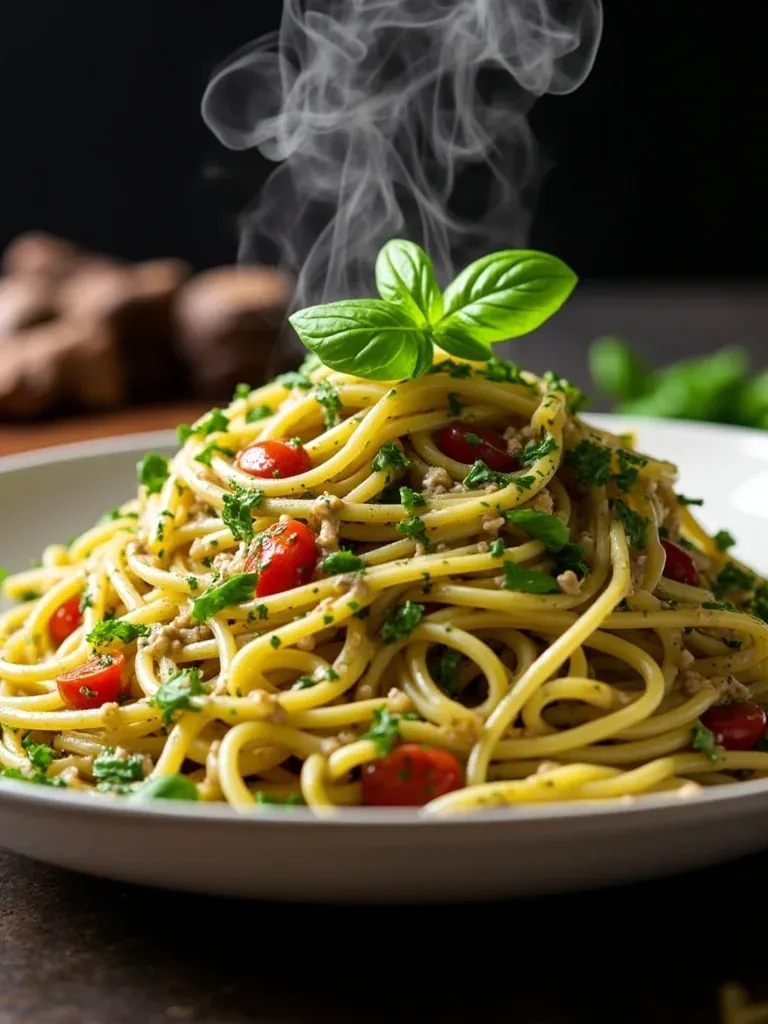
Table of contents
Honestly, when I first made this salad I remembered my grandmother’s summer garden. I mean, the scent of fresh basil drifting from the kitchen was like a gentle breeze. Look, the Mediterranean chicken version inspired me, but I wanted something lighter, just pasta and pesto. So I gathered the ingredients, poured a glass of water, and let the memories simmer beside the boiling pot.
The essence of the dish
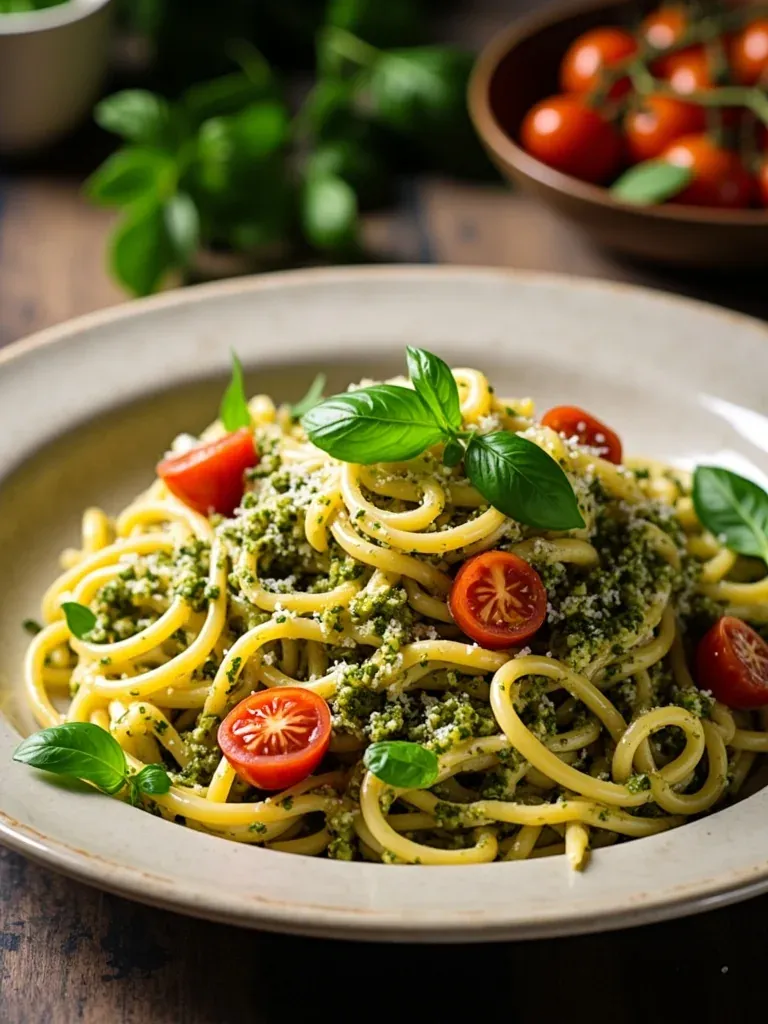
What makes this salad special is the way the pesto acts as both sauce and seasoning, coating each curve of pasta while the vegetables keep the bite lively. The bright green hue is a visual promise of fresh flavors.
A fun fact or historical angle
Did you know that pasta salads first appeared in the 1950s United States as a way to repurpose leftover spaghetti? Over time, the Mediterranean twist added herbs, olives, and sun‑dried tomatoes, creating a healthier, more aromatic version.
Flavor or sensory focus
You’ll notice the herb‑forward pesto first, followed by a gentle citrus bite, then the sweet pop of tomatoes. The texture journey moves from the tender pasta to the crisp vegetables and finally to the creamy crumble of feta.
You Must Know
- Use high‑quality olive oil for the best flavor
- Don’t over‑salt the pasta water; the pesto already has salt
- Add lemon juice at the end to preserve its bright acidity
- Serve with a side of crusty bread if you like a bit more comfort
Ugh, sometimes I get carried away and add too much lemon, but a quick taste test fixes that. Remember, this salad is adaptable—swap in roasted zucchini or artichoke hearts for a different twist. The key is to keep the balance of herb, acid, and texture, letting each ingredient shine without overwhelming the others.
The story behind it
The origins of Mediterranean pasta salads trace back to sun‑drenched coastal towns where simple pantry staples—olive oil, herbs, and durum wheat—were combined with seasonal vegetables. Historically, travelers would mix cooked pasta with leftover greens and dressings to create a portable meal. This practice evolved into the vibrant salads we enjoy today, showcasing the region’s love for fresh herbs and bright flavors.
Why You'll Love It
- Bright, herbaceous flavor that feels like sunshine
- Quick to make, perfect for busy weeknights
- Fresh vegetables add crunch and nutrition
- Versatile – can be served warm or cold
Tips for success
- Don’t over‑cook the pasta; al dente keeps the salad from getting mushy
- Reserve pasta water; it helps the pesto cling without thinning too much
- Taste the pesto before mixing – adjust salt and lemon for balance
Professional secrets
- Use fresh basil, not dried, to capture aromatic oils
- Blend the pesto just until combined; a few bits of texture add interest
- Add a pinch of sea salt to the pasta water to season from the inside out
Common mistakes to avoid
- Over‑cooking pasta, which makes the salad soggy
- Adding too much lemon, which can overpower the pesto
- Skipping the step of reserving pasta water, resulting in a dry dressing
Substitutions
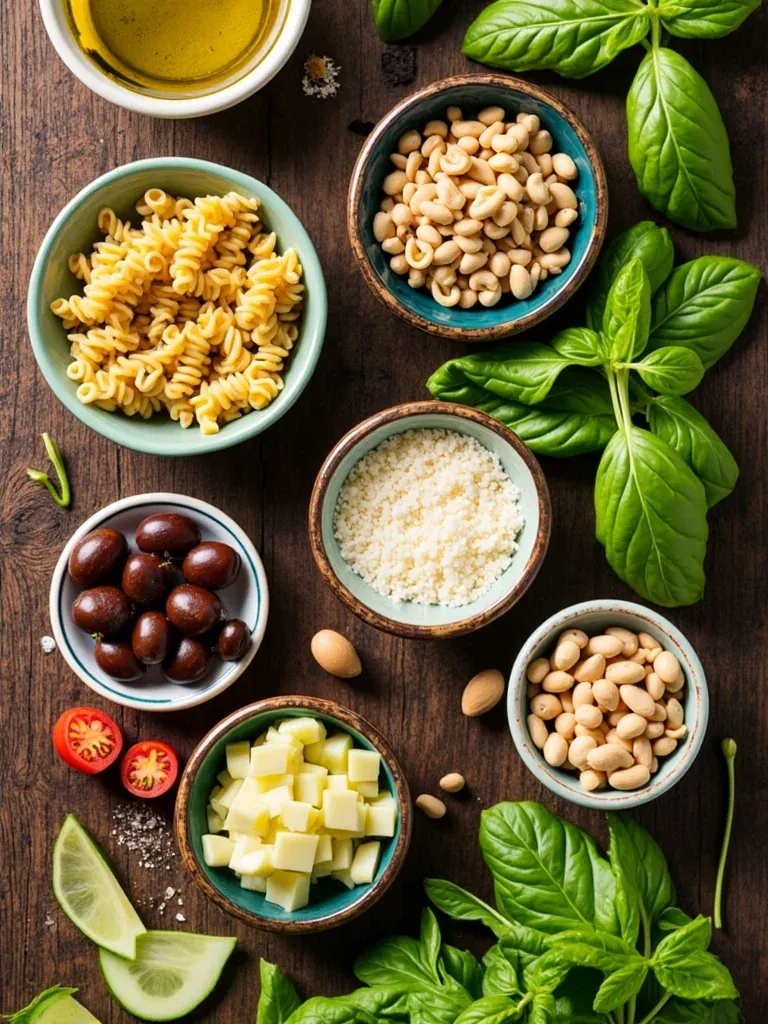
- Pine nuts: Walnuts or almonds. Toast lightly to bring out a nutty flavor.
- Parmesan: Nutritional yeast (vegan) or Pecorino. Provides a similar salty depth; adjust quantity slightly.
Variations
- Spicy Version: Add a pinch of red pepper flakes to the pesto and a dash of sriracha for a subtle kick.
- Mediterranean Style: Stir in kalamata olives, crumbled feta, and a sprinkling of dried oregano for a more Greek feel.
Storage
Store in an airtight container in the refrigerator for up to three days. Stir in a little olive oil before serving if the pesto thickens.
Make ahead
You can prepare the pesto up to 24 hours ahead; store it in a sealed jar in the refrigerator and bring to room temperature before mixing with the pasta.
Leftovers
Reheat gently in a skillet with a splash of olive oil if you prefer a warm salad; otherwise enjoy cold for a refreshing bite.
Serving ideas
- Serve over a bed of mixed greens for extra freshness
- Spoon over rice noodles for a heartier meal
- Pair with roasted Mediterranean vegetables like eggplant and zucchini
- Garnish with extra basil leaves and a drizzle of olive oil
Allergy information
Contains nuts (pine nuts) and dairy (Parmesan, feta).
Mediterraner Nudelsalat Mit Pesto
Bright Mediterranean noodle salad with herby pesto, veggies, and lemon, ready in under 30 minutes.
- Prep time
- 20 min
- Cook time
- 10 min
- Total time
- 30 min
- Difficulty
- Easy
- Cuisine
- Mediterranean
Ingredients
Pasta & Veggies
Pesto Sauce
Instructions
- 1
Bring a large pot of salted water to a boil, add the pasta, and cook until al dente—usually 8‑10 minutes. Drain, rinse briefly with cool water, and set aside to steam.
- 2
While the pasta cooks, combine basil, pine nuts, Parmesan, garlic, lemon juice, a pinch of salt, and pepper in a food processor. Pulse a few times, then stream in olive oil until the mixture is smooth but still has a little texture.
- 3
In a large bowl, toss the cooked pasta with the fresh pesto, ensuring every strand is lightly coated. If the sauce feels thick, add a splash of reserved pasta water.
- 4
Add the cherry tomatoes, olives, sun‑dried tomatoes, cucumber, and feta. Gently fold everything together, letting the vegetables stay crisp.
- 5
Taste and adjust seasoning with more lemon, salt, or pepper as needed. Serve immediately at room temperature or chill for an hour for a cooler salad.
Nutrition per serving
- 420 kcal
- Calories
- 14 g
- Protein
- 45 g
- Carbs
- 18 g
- Fat
Tips & notes
- If you prefer a creamier dressing, stir in a tablespoon of Greek yogurt after the pesto is blended. - For extra brightness, grate a touch of lemon zest over the finished salad. - The salad improves after resting; flavors meld, making each bite more harmonious.
Frequently asked questions
Can I use gluten‑free pasta?
Absolutely. Choose any gluten‑free shape you like; just follow the package instructions for al dente texture.
How long can the salad be stored?
Store it in an airtight container in the fridge for up to three days. The pesto may thicken, so stir in a splash of water before serving.
What cheese works best?
Feta adds a salty tang, but you could also use grated Parmesan or a mild goat cheese.
Can I add protein?
Sure thing—grilled chicken, shrimp, or even chickpeas make hearty additions.
Is this recipe vegan?
Swap the Parmesan for nutritional yeast and use a vegan pesto; the salad stays bright and satisfying.
What if I don’t have pine nuts?
Walnuts or almonds work fine; toast them lightly for extra crunch.