Creamy Thai Coconut Shrimp Curry
A velvety Thai-inspired curry with succulent shrimp, coconut milk, and fragrant spices—ready in under 30 minutes.
- Sofia Bennett
- Easy Dinner Recipes
- April 25, 2026
- 3 min read
- Updated November 20, 2026
- Total time
- 35 min
- Servings
- 4 Servings
- Difficulty:
- Easy
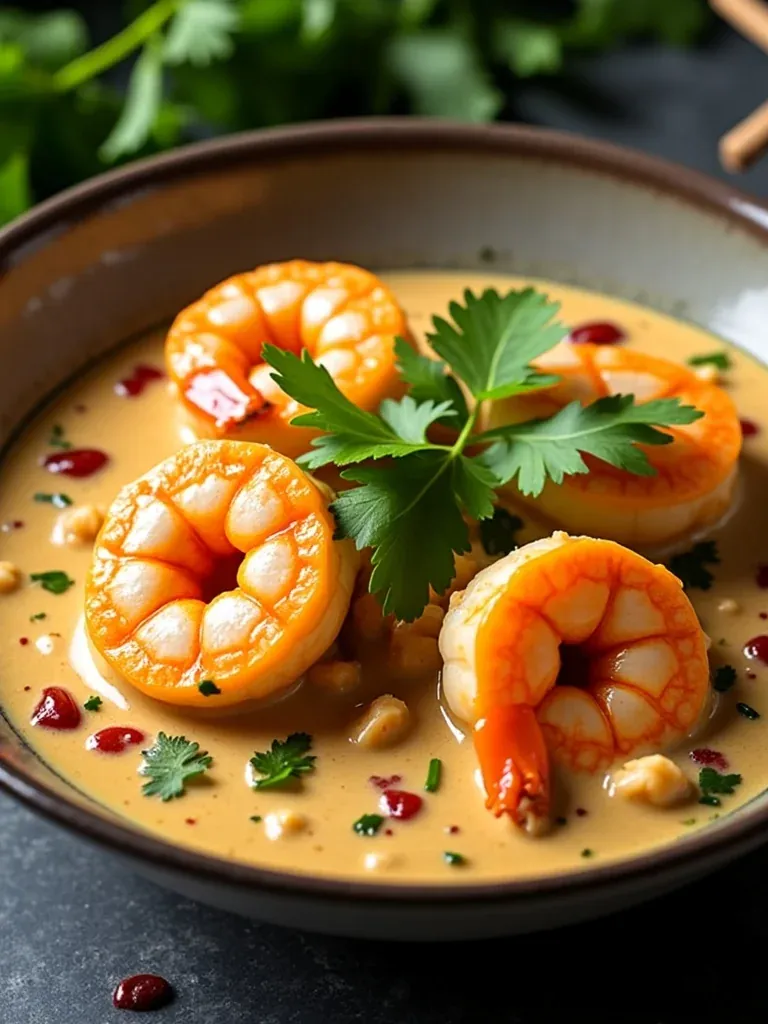
Table of contents
Honestly, when the pan starts to whisper with the scent of lemongrass and ginger, I know a comforting dinner is on its way. This creamy Thai coconut shrimp curry brings together sweet coconut milk, a touch of lime, and plump shrimp that soak up every nuance. It’s the kind of dish that feels like a hug after a long day, and the best part is it comes together fast. Look, you can even add a splash of coconut curry flavor to other seafood for a family‑wide feast.
The essence of the dish
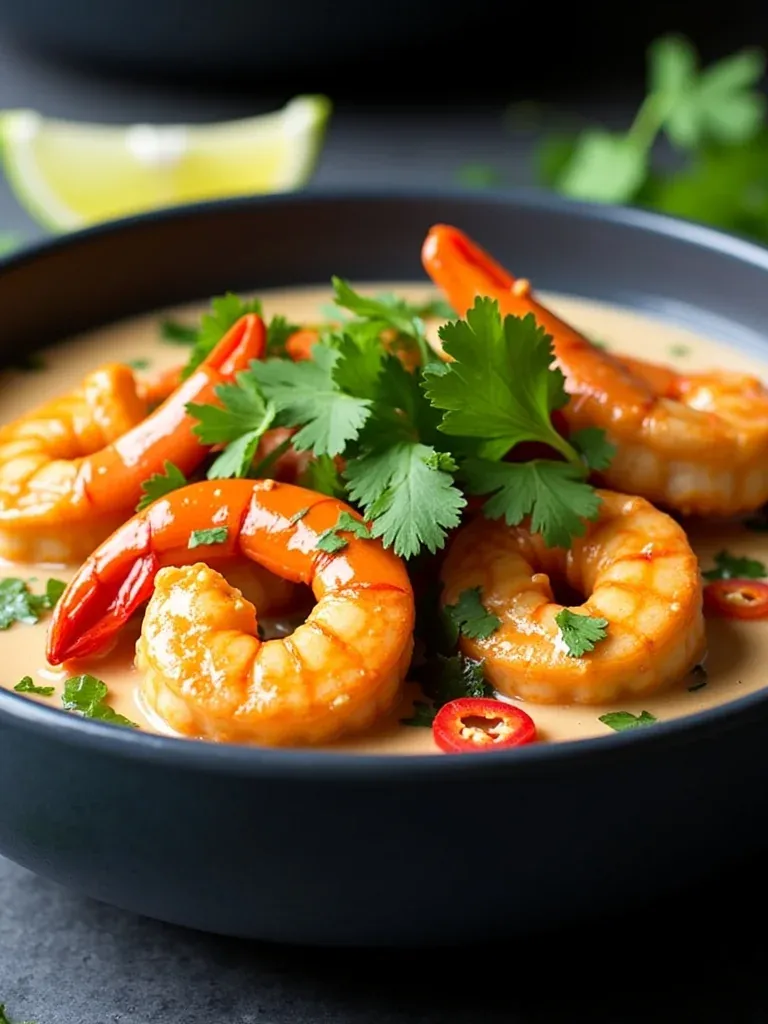
A silky broth where coconut milk meets the heat of red curry, punctuated by the delicate sweetness of shrimp and bright citrus notes.
A fun fact or historical angle
Thai coconut curries often originated in coastal villages where fresh coconut water and seafood were always on hand, creating a perfect marriage of land and sea.
Flavor or sensory focus
You’ll notice the warm, aromatic spice first, then the creamy coconut coat, and finally the gentle snap of shrimp as you bite.
You Must Know
- Do not overcook the shrimp
- Adjust chili level with fresh Thai chilies
- Add lime at the end for brightness
These little adjustments keep the dish lively and avoid a flat flavor profile. Remember, the balance of sweet, salty, sour, and spicy is what makes Thai cuisine so captivating. Take a moment to taste as you go, and you’ll end up with a curry that feels both familiar and exciting.
Enjoy the process; let the aromas guide you, and you’ll discover how comforting a well‑crafted curry can be.
The story behind it
Originating from the bustling coastal towns of southern Thailand, this curry reflects the mingling of sea breezes and coconut palms. Historically, coconut milk was a staple in Thai cooking, binding the heat of chilies with the coolness of the tropics. The dish spread through street stalls where cooks balanced fiery spice with creamy sweetness, creating a harmony that travelers still chase today. It remains a beloved comfort, bridging generations with its aromatic profile and simple technique.
Why You'll Love It
- One‑pot simplicity saves time and dishes
- Creamy texture without heavy cream
- Fresh herbs add bright, lingering fragrance
- Adjustable heat for all palates
Tips for success
- Don't overcrowd the pan; cook shrimp in batches if needed
- Keep the heat moderate once the broth simmers to prevent curdling
- Taste and adjust seasoning before serving
Professional secrets
- Use freshly squeezed lime juice for bright acidity
- Add a small knob of coconut cream at the end for extra silk
- Sear the shrimp quickly to lock in moisture
Common mistakes to avoid
- Overcooking shrimp, which makes them rubbery.
- Adding coconut milk too quickly, causing curdling.
- Not tasting and adjusting seasoning before serving.
Substitutions
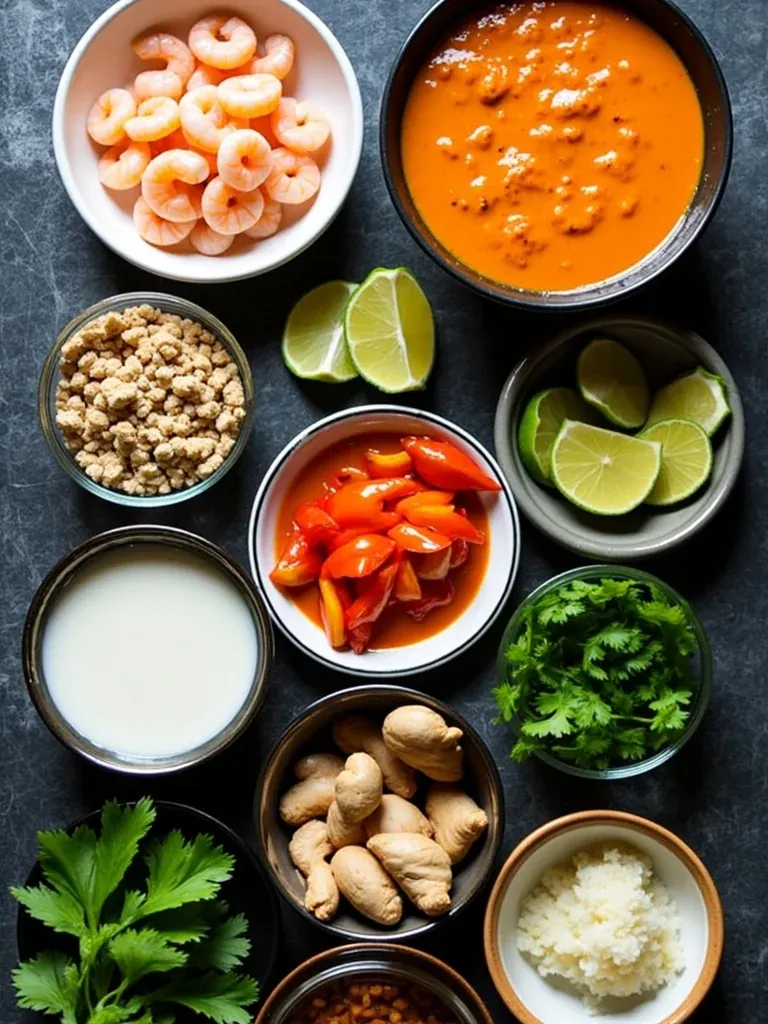
- Shrimp: Firm tofu or scallops. Press tofu before cooking; adjust cooking time accordingly.
- Fish sauce: Soy sauce or tamari. Adds saltiness without the fish flavor; use a touch less.
Variations
- Spicy Version: Add sliced fresh Thai chilies and a dash of sriracha for a vibrant kick.
- Mediterranean Style: Swap coconut milk for light Greek yogurt, add olives and sun‑dried tomatoes for a fusion twist.
Storage
Store leftovers in an airtight container in the refrigerator for up to 3 days; reheat gently on the stovetop.
Make ahead
You can slice the aromatics and measure the broth up to 12 hours ahead; store them separately in the fridge.
Leftovers
Reheat gently in a skillet, adding a splash of coconut milk to restore creaminess, and serve over fresh rice.
Serving ideas
- Serve over steaming jasmine rice.
- Spoon over rice noodles for a gluten‑free option.
- Pair with a simple cucumber salad dressed in rice vinegar.
- Garnish with toasted sesame seeds for extra crunch.
Allergy information
Contains shellfish, coconut, and fish sauce (contains fish).
Creamy Thai Coconut Shrimp Curry
A velvety Thai-inspired curry with succulent shrimp, coconut milk, and fragrant spices—ready in under 30 minutes.
- Prep time
- 15 min
- Cook time
- 20 min
- Total time
- 35 min
- Difficulty
- Easy
- Cuisine
- Thai
Ingredients
Main Ingredients
For Garnish
Instructions
- 1
Heat the oil in a large skillet over medium‑high heat; add minced garlic, ginger, and lemongrass, sauté until fragrant, about 1 minute.
- 2
Stir in the Thai red curry paste, letting it bloom for another minute; this releases the aromatic oils.
- 3
Pour in coconut milk and broth, whisk gently, then add fish sauce, palm sugar, and bring to a gentle simmer.
- 4
Add the shrimp, cooking just 3‑4 minutes until they turn pink and curl; avoid over‑cooking.
- 5
Remove from heat, stir in lime juice, and garnish with fresh basil, cilantro, and sliced chili if desired.
- 6
Serve over steamed jasmine rice, letting the sauce coat each grain.
Nutrition per serving
- 420 kcal
- Calories
- 30 g
- Protein
- 12 g
- Carbs
- 25 g
- Fat
Tips & notes
- Taste the broth before serving; adjust salt with extra fish sauce or a pinch of salt. - If the sauce thickens too much, thin with a splash of broth or extra coconut milk. - For extra depth, toast the lemongrass in the pan before adding other aromatics.
Frequently asked questions
Can I use frozen shrimp?
Yes, thaw them completely and pat dry; they may release more moisture, so adjust cooking time slightly.
How spicy is this curry?
The heat is moderate thanks to red curry paste; you can dial it up with fresh Thai chilies or down with a splash of coconut cream.
What rice works best?
Fragrant jasmine rice or basmati complements the coconut notes and absorbs the sauce nicely.
Can I make it dairy‑free?
The recipe is already dairy‑free; it relies on coconut milk for creaminess.
Is there a vegan version?
Swap shrimp for firm tofu or tempeh, and ensure the curry paste contains no shrimp paste.
How long can leftovers be stored?
Refrigerate in an airtight container for up to 3 days; reheat gently to avoid curdling.