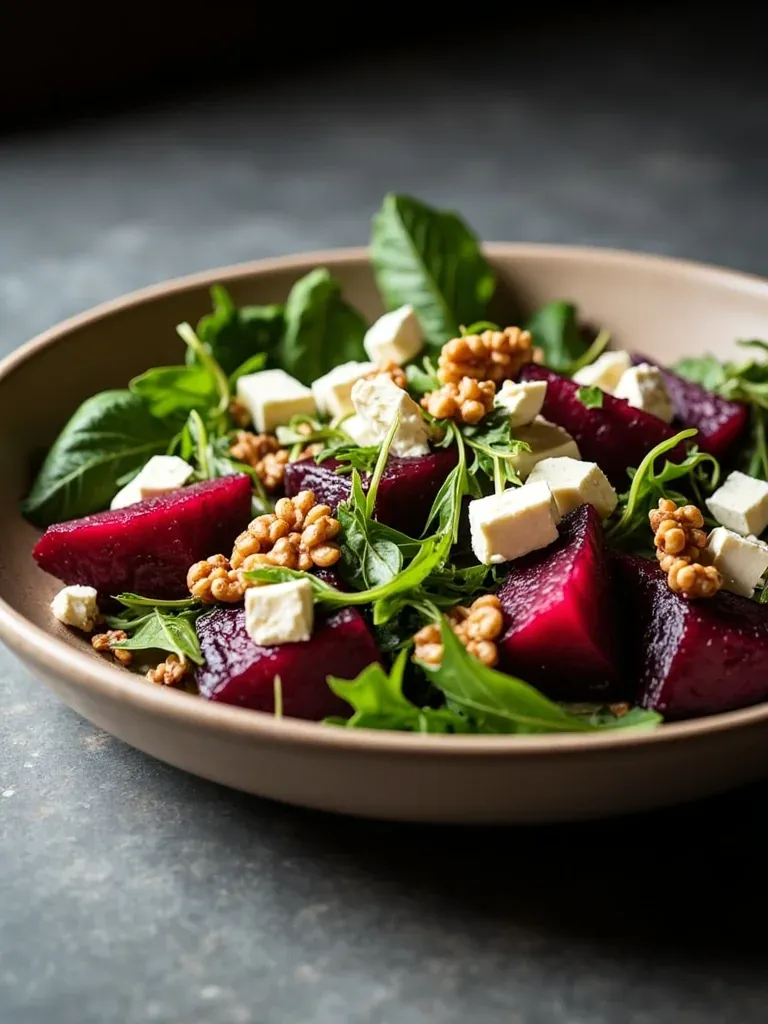
Greek Salad Recipe – Fresh & Easy
Crisp tomatoes, cool cucumbers, salty feta, and briny olives tossed in a lemon‑olive oil dressing.
- Lina Harper
- Healthy Meal Ideas
- April 26, 2026
- 2 min read
- Updated November 20, 2026
- Total time
- 10 min
- Servings
- 4 Servings
- Difficulty:
- Easy
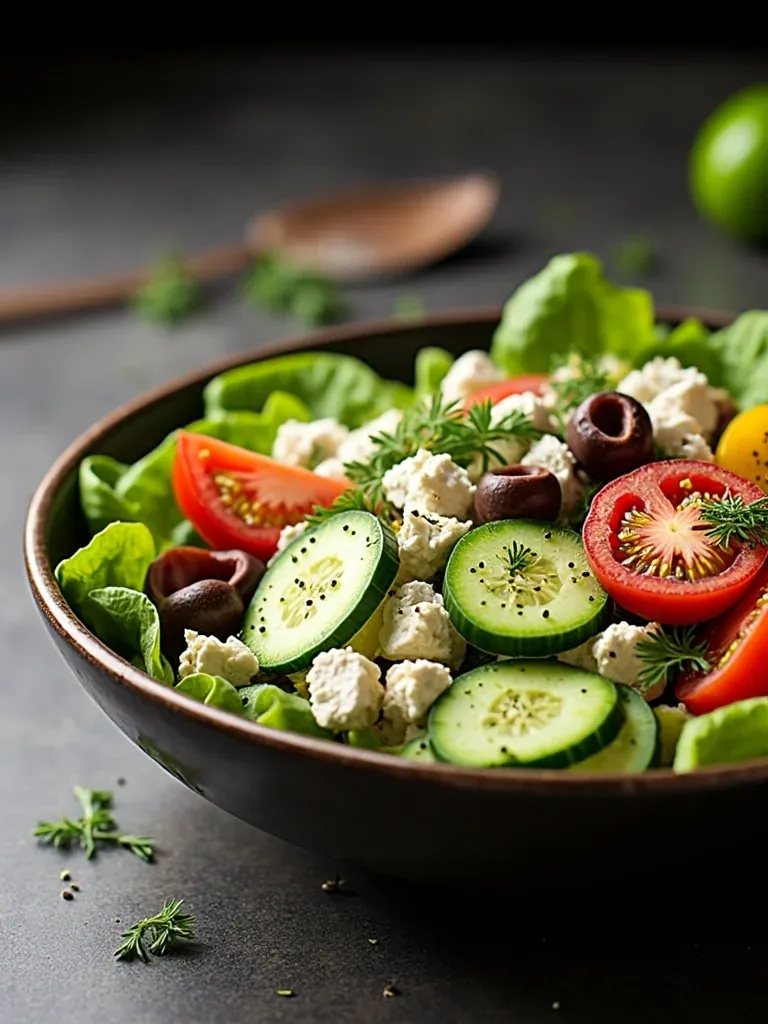
Table of contents
I remember the first time I tossed a salad like this, the scent of fresh herbs drifting from the bowl. If you love a cucumber feta salad, you’ll adore this classic version. It’s a gentle reminder of summer evenings on a balcony, soft light, and the hum of distant conversations.
The essence of the dish
The salad shines through its fresh vegetables, briny olives, and the creamy tang of feta, all united by a lemon‑olive oil dressing that whispers of the sea.
A fun fact or historical angle
Greek salad originally omitted lettuce; the name “horiatiki” means “of the market,” honoring the idea that you could buy each component separately at a bustling market.
Flavor or sensory focus
You’ll notice the cool snap of cucumber, the juicy burst of tomato, the salty crumble of feta, and a bright citrus zing that awakens the palate.
You Must Know
- Use the ripest tomatoes you can find.
- Don't overdress; a light drizzle is enough.
- Serve immediately for the best crunch.
When the salad sits, the cucumber can release water, so a quick toss right before serving keeps everything lively. I often find a moment to admire the colors—red, green, white, and deep black olives—before spooning it onto a plate. It feels like a small, quiet celebration of summer.
The story behind it
The Greek salad, or horiatiki, traces its roots to the villages of the Peloponnese, where villagers used the freshest produce from their gardens. Traditionally it features no lettuce, allowing each ripe tomato, crunchy cucumber, and pungent olive to shine. Over time the dish traveled across the world, becoming a staple of Mediterranean cuisine and a symbol of simple, wholesome eating.
Why You'll Love It
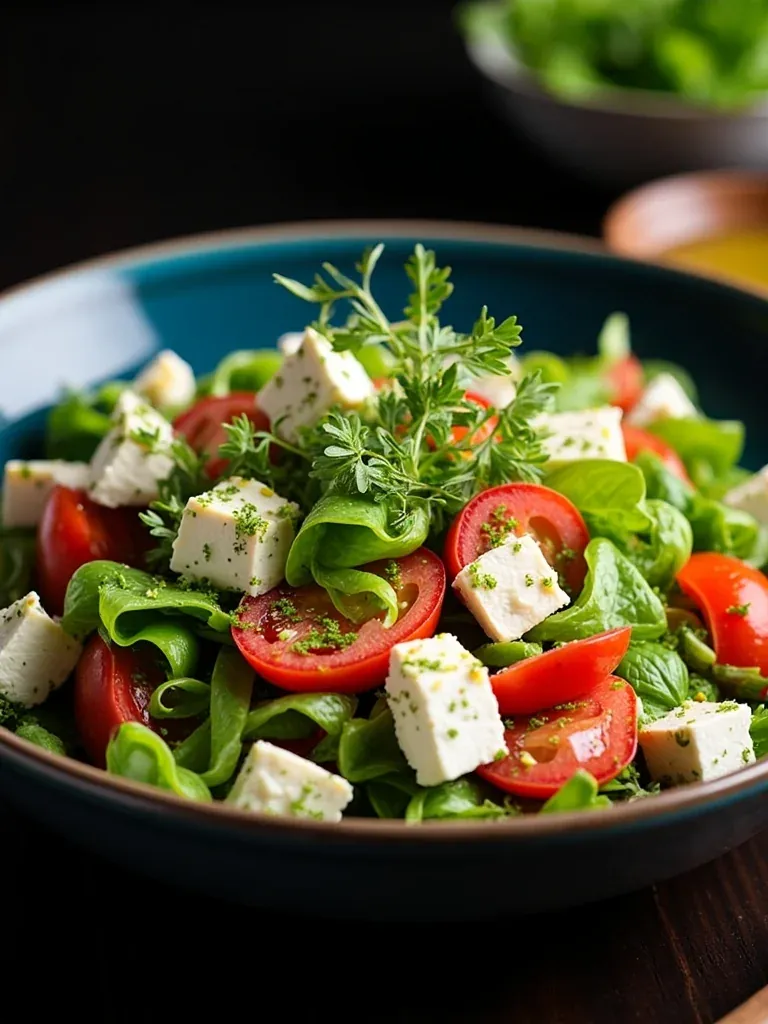
- Fresh, crisp vegetables that burst with flavor
- Quick assembly; perfect for busy days
- Healthy balance of fats, proteins, and veggies
- Versatile base for adding proteins or grains
Tips for success
- Dry cucumbers well to keep crunch, avoid soggy bites.
- Use high‑quality feta for authentic salty creaminess.
- Taste dressing before adding; adjust salt and lemon as needed.
Professional secrets
- Add the dressing just before serving to preserve texture.
- Let the salad rest a few minutes after tossing for flavors to meld.
- Serve at room temperature for the best flavor release.
Common mistakes to avoid
- Over‑dressing, which makes the salad soggy.
- Using tomatoes that are not ripe, resulting in bland flavor.
- Skipping the final gentle toss, leading to uneven seasoning.
Substitutions
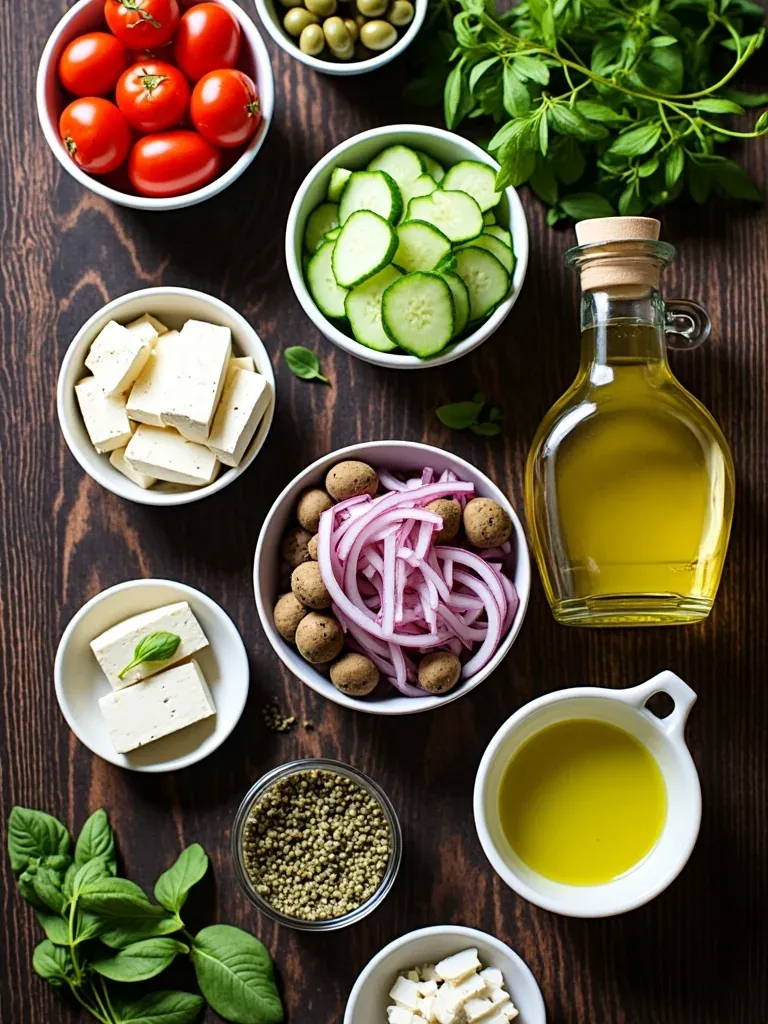
- Feta cheese: Vegan feta or crumbled tofu. Season tofu with lemon juice and salt to mimic tang.
- Olive oil: Avocado oil. Provides a neutral flavor if you prefer less olive taste.
Variations
- Add Protein: Top with grilled chicken, shrimp, or chickpeas for a more substantial meal.
- Vegan Twist: Replace feta with marinated tofu cubes; see the vegan Greek salad for inspiration.
Storage
Store undressed vegetables in an airtight container in the fridge for up to 2 days; keep dressing separate.
Make ahead
You can prep the vegetables and store them separately; assemble the salad up to 30 minutes before serving.
Leftovers
Refresh with a quick drizzle of extra olive oil and a squeeze of lemon before reheating any leftover protein.
Serving ideas
- Serve alongside grilled fish for a Mediterranean dinner.
- Pair with quinoa or couscous for a hearty meal.
- Garnish with extra oregano leaves before serving.
- Offer with a side of tzatziki; see the tzatziki cucumber salad for dip inspiration.
Allergy information
Contains dairy (feta) and olives.
Greek Salad Recipe – Fresh & Easy
Crisp tomatoes, cool cucumbers, salty feta, and briny olives tossed in a lemon‑olive oil dressing.
- Prep time
- 10 min
- Total time
- 10 min
- Difficulty
- Easy
- Cuisine
- Greek
Ingredients
Salad
Dressing
Instructions
- 1
Wash all vegetables; slice the tomatoes into wedges, cucumber into half‑rounds, and thinly slice the red onion.
- 2
In a small bowl, whisk together olive oil, lemon juice, dried oregano, salt, and pepper until emulsified.
- 3
Place the tomatoes, cucumber, onion, and olives in a large salad bowl. Drizzle the dressing over the vegetables and toss gently.
- 4
Add the crumbled feta and fresh oregano, give a light toss, and serve immediately.
Nutrition per serving
- 250 kcal
- Calories
- 6 g
- Protein
- 10 g
- Carbs
- 18 g
- Fat
Tips & notes
- Pat cucumber slices dry with a paper towel to prevent excess moisture. - Adjust lemon juice to taste; a little more adds extra brightness. - If you prefer a richer flavor, add a splash of red wine vinegar.
Frequently asked questions
Can I add protein to the salad?
Absolutely—grilled chicken, shrimp, or even chickpeas make hearty additions without overwhelming the fresh flavors.
What type of olives work best?
Kalamata olives are traditional for their rich, slightly wine‑y taste, but you can use any good quality black olive.
How long can I store the salad?
Store the dressed salad for up to 4 hours in the fridge; after that the cucumbers may become soggy.
Is there a dairy‑free version?
Replace feta with a crumble of firm tofu seasoned with lemon and salt, or omit cheese entirely.
Can I make the dressing ahead of time?
Yes, whisk the oil, lemon, oregano, and seasoning together and keep refrigerated for up to 2 days.
What other vegetables pair well?
Red onion slices, bell pepper strips, or even artichoke hearts add pleasant variety.